Youth Hockey Safety: Equipment, Preparation and Recovery Habits
Updated: Oct 30
Youth hockey is a high-speed, physical sport, and while injuries can happen, the right precautions go a long way in keeping players safe. Here are practical injury prevention tips for players from 8U to 18U.

Proper Equipment
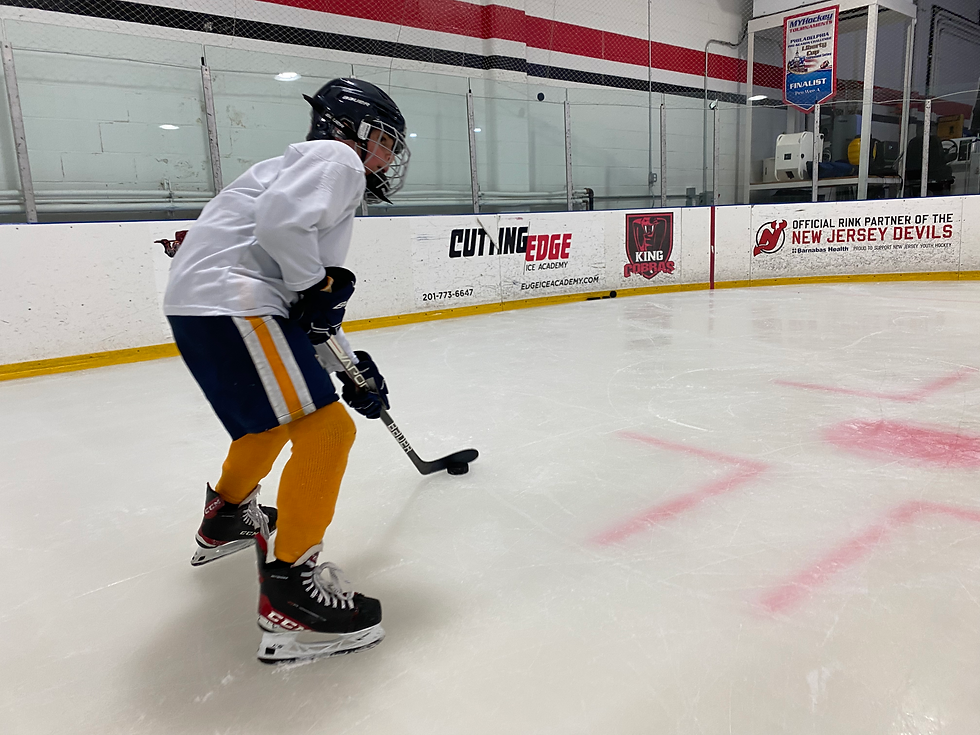
Use all required gear: helmet with cage, mouthguard, pads, gloves, shin guards, and an athletic cup. Goalies need additional protection.
Gear must fit correctly. Helmets should sit snug, one finger above the eyebrows, with chin straps secure.
Don’t buy oversized gear hoping kids will grow into it. Poor fit leads to poor protection and bad habits.
Inspect equipment often. Replace anything cracked, worn out, or missing padding. Hand-me-down gear is fine if it fits and works properly.
Conditioning & Training
Keep players active year-round with a mix of aerobic, strength, and flexibility work. Ramp up gradually after time off.
Training should match the player’s age. Young kids shouldn’t train like adults.
Focus on core and leg strength for balance and joint protection.
Encourage multi-sport participation to reduce overuse injuries and burnout.
Warm-Ups & Stretching
Always start practices and games with a proper warm-up and dynamic stretching. Cold muscles are more injury-prone.
Cool down post-practice with light movement and stretching while muscles are warm. Coaches should make this routine.
Nutrition & Hydration
Fuel with balanced meals and snacks: lean protein, complex carbs, fruits, and vegetables.
Stay hydrated all day. Don’t wait until practice. Water is usually best; sports drinks may help in long sessions.
Safe Play & Body Contact
Play by the rules and respect opponents. No illegal hits, high sticks, or checking from behind.
Teach age-appropriate contact. Start with angling and body positioning. Introduce full checking only when kids are physically and technically ready.
Rest & Recovery
Build in rest days each week. Avoid playing hockey year-round without breaks.
Prioritize sleep: 8–10 hours per night is ideal for recovery and performance.
Never play through pain. Minor injuries can become major if ignored. Use RICE (Rest, Ice, Compression, Elevation) and seek medical care when needed.
Final Thought
With well-fitted gear, smart off-ice habits, and a team culture that values safety, youth players can enjoy a fun and injury-free hockey season.
Sources: USA Hockey, Mayo Clinic Sports Medicine, American Academy of Orthopaedic Surgeons, UPMC Children’s Hospital of Pittsburgh, Children’s Hospital Colorado, CDC HEADS UP
Find Your Next Training Step
Ready to work on the on-ice skills discussed here? Players in Elmwood Park and across North Jersey can review the relevant Cutting Edge training page, then check the current schedule for age groups, coaches and registration details.